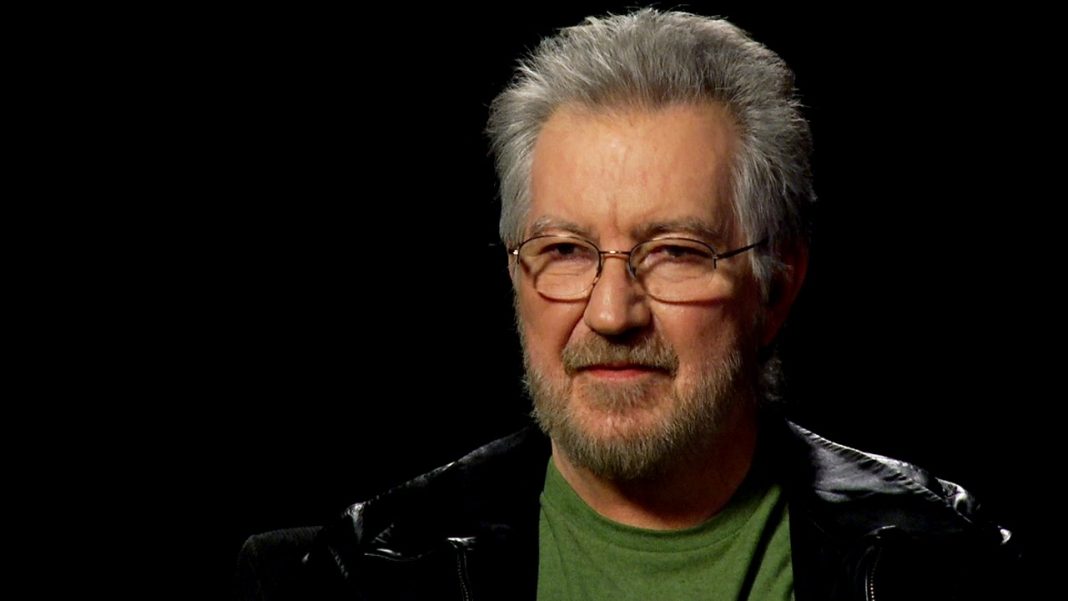
Of all the masters of horror, Tobe Hooper has the most confounding career. He’s done enough to earn the title, but not enough to stand comfortably beside contemporaries like John Carpenter and Wes Craven. Those filmmakers have had more hits in their career than misses. Tobe Hooper can’t quite make that claim. His success rate is much harder to measure and pin down. In some ways he is the Nicholas Cage of the horror genre. Is he good? Is he bad? Is the good kind of bad or the bad kind of good? It’s much harder to judge.
Tobe Hooper began his career with The Texas Chainsaw Massacre. That’s no small movie to open with. It’s one of the most influential, most notorious horror movies ever made. The power that it still has to this day is incredible. People still think the movie happened, they still claim to have relatives that knew the real Leatherface. Taken on its own, it’s a great movie. It’s the kind of film that easily allows you to believe that something like this could have actually happened. In fact, it almost feels like it’s really happening as you watch it. The movie manages to invoke brutality without actually showing too much of it, which is a talent that is all but lost today.


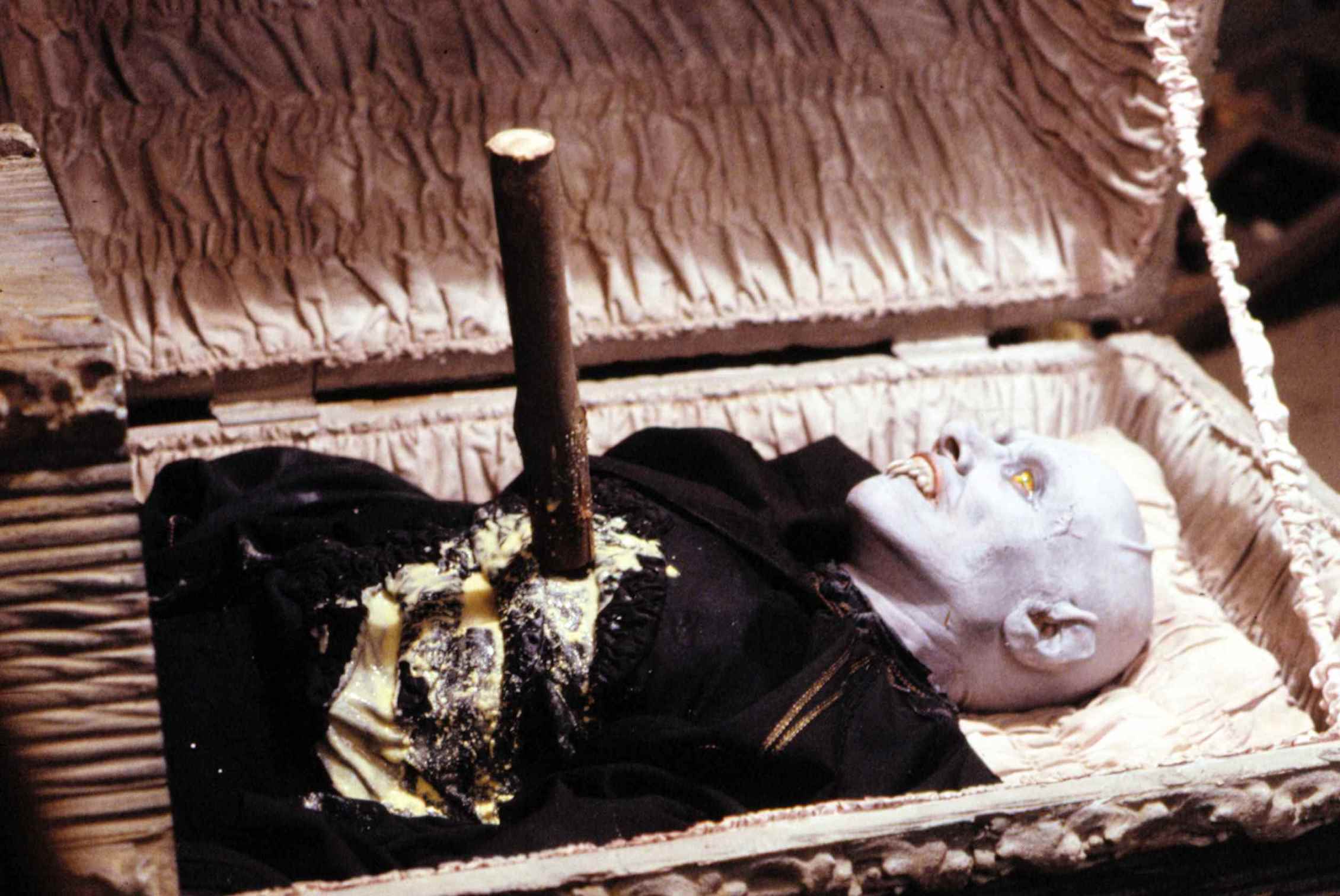
Yet, immediately after that, Hooper turned it around and made one of the best horror TV miniseries ever. Salem’s Lot was the second Stephen King adaptation ever, following Brian De Palma’s Carrie. It sticks fairly close to the overall story of the novel, with one major change. The lead vampire Kurt Barlow is reimagined here as a silent, Nosferatu-like figure. It’s a major change from the source material, but people latched onto it and embraced it. The whole thing has great atmosphere, incredible characterization and some of the creepiest vampires ever to grace the screen.
 After that, Tobe Hooper got in on the 1981 slasher craze and directed The Funhouse. This movie certainly has its admirers, but it’s far from great. There are scenes in the movie that are interesting, gory and suspenseful, but those are also the only moments in the feature where something actually happens. It’s like an incredibly drawn-out Friday the 13th Part 2, with forty minutes of straight dialogue and all the death scenes tacked on in the final moments. And it’s not as if The Funhouse is trying to be a drama, either. Hooper is just so interested in prolonging the scares with this one that he forgets to actually put them in. The makeup FX are great, but almost not worth it by the time we get there. It’s not just pacing that’s the problem. The tone is all over the place, as well. As a slasher movie in particular, it just does not work.
Yet immediately following that came Poltergeist. It seems that Hooper’s best movies have the most troubled productions. Whereas Texas Chainsaw Massacre nearly killed its entire cast and crew, Poltergeist is one of the most infamously “cursed” films of all time. Many people who were associated with the film either died or had incredibly troubled lives after the feature’s release. There’s also a ton of debate as to whether or not Hooper actually directed Poltergeist. At this point in time, many people believe it was actually Steven Spielberg who directed the majority of the movie and gave the directing credit to Hooper as because he was contractually obligated not to direct another film while working on E.T.. But it’s Hooper who has the director credit, regardless, so I’m inclined to give him the credit no matter what is rumored to have happened.
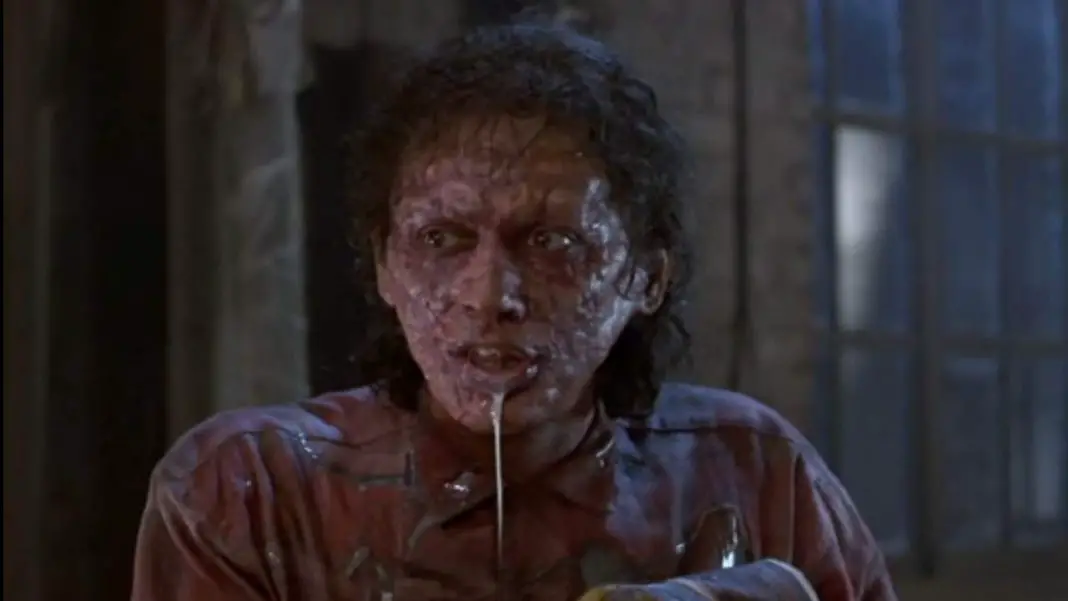
 The success of Poltergeist led to a lot more opportunities. Hooper turned down many films just after wrapping that one and while his next two movies had larger budgets they were not major hits. Lifeforce is slightly underrated, admittedly a lot of fun, but nonetheless clumsily handled. It’s a bit of a schlocky feature, to be sure, and the pacing is terrible. But the FX are neat and the quirky sense of humor helps it. This was followed up by Hooper’s remake of Invaders from Mars. This had great FX work and creature design but virtually nothing else going for it. Everything about it just feels largely unfinished, as if they went ahead and shot the very first draft of the script.
Luckily these were followed by the hugely underrated Texas Chainsaw Massacre 2, which is a total deconstruction of the original and kind of a smart movie on its own. It’s gory, fun, funny, all sorts of things that the first feature was not. It reinvigorated the franchise, allowing for further sequels, but was not a major critical or financial hit.
That was the last success of Tobe Hooper’s career. After that came movies like Night Terrors and The Mangler, and the less said about those the better. The best thing he did after Texas Chainsaw Massacre 2 was the pilot episode of Freddy’s Nightmares, and that is not a good thing. He’s a filmmaker that has shown that he has a vision and style and can clearly make a good movie. But he hasn’t made one in nearly thirty years. [Editor’s Note: Hooper’s 2004 remake of The Toolbox Murders is an enjoyable slasher effort that has flown largely under the radar. It’s not at the level of Hooper in he heyday but it’s a highly enjoyable outing and features a great performance from genre favorite Angela Bettis.]
Tobe Hooper has too many successes in his career to be called a bad director. Yet he has directed plenty of bad movies. There are always extraneous factors at work in these things. Production problems can plague a movie and it can wind up being something very far from what the director set out to make. But this has happened so many times in Hooper’s career that some of it has to be on him as well. It’s hard to put a lock on how talented Tobe Hooper is as a filmmaker and how many of his misfires were really his fault. At the end of the day, people will either enjoy his movies or they won’t. There are a lot of bad ones in the mix and the idea of Hooper directing another great movie seem unlikely. But those that shine still shine brightly and are only becoming more fondly remembered as time goes on. No matter what else happens in a career, that is a sign of success.